MASTA 14. Discover the features.

MASTA 14

Electrified Powertrain Design From Start To Finish

Full acoustic analysis is now integrated into MASTA’s Harmonic Analysis mode, meaning that users no longer need to export heavy acoustic input files and process them in a different package. With just a few clicks, MASTA’s harmonic analysis results can be post-processed into full acoustic results.

MASTA 14 adds our per tooth spline contact model to MASTA’s multibody dynamics module DRIVA. This allows the complex dynamics of spline rumble to be simulated.

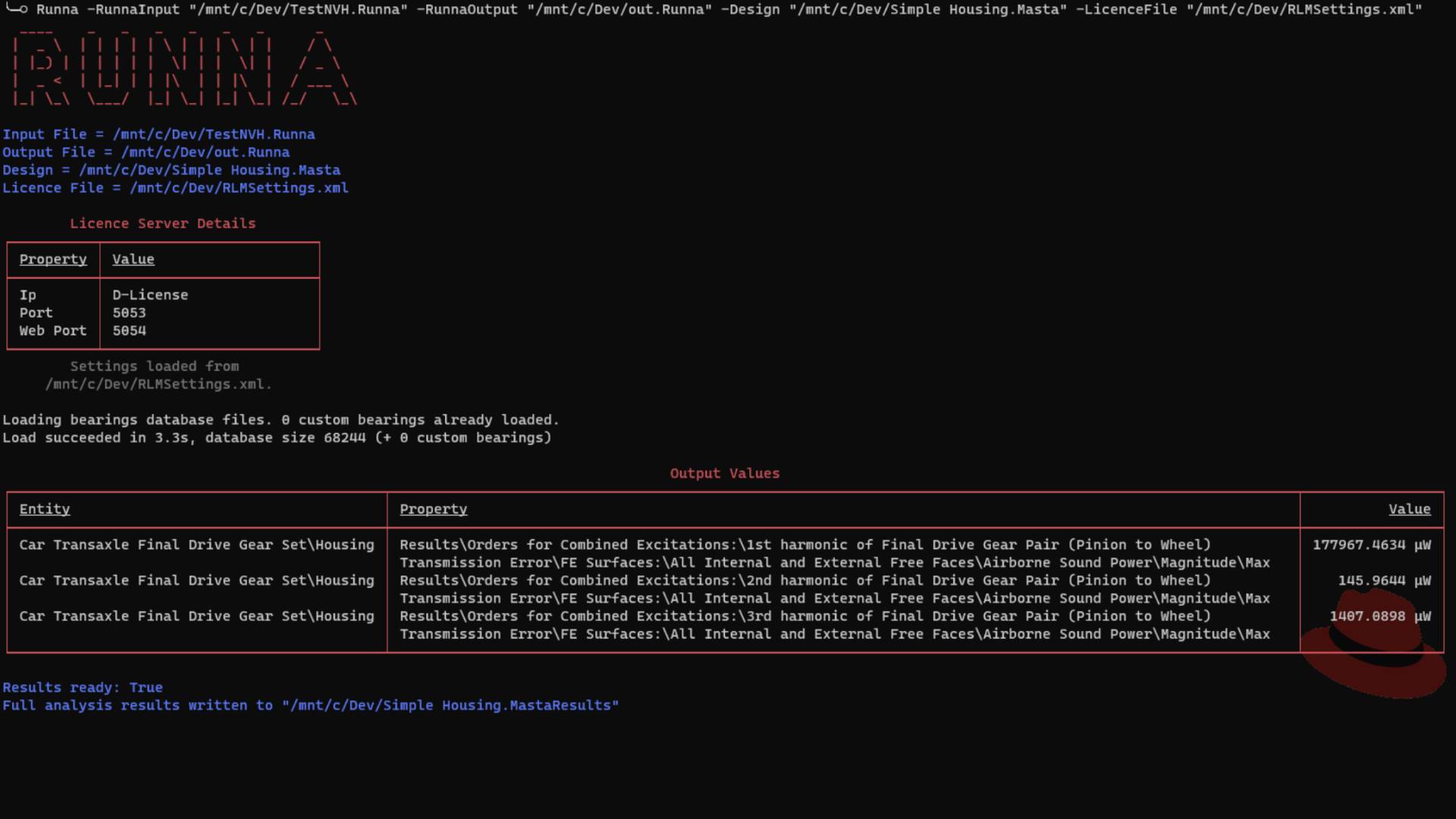
MASTA’s batch running module, RUNNA, is now compatible with some versions of Linux (currently at a BETA stage). As a result, MASTA model optimisation can now be performed on your cluster.

Additional features in MASTA 14 include new gear mesh power loss calculations, improvements to user experience and bearing catalogue updates.
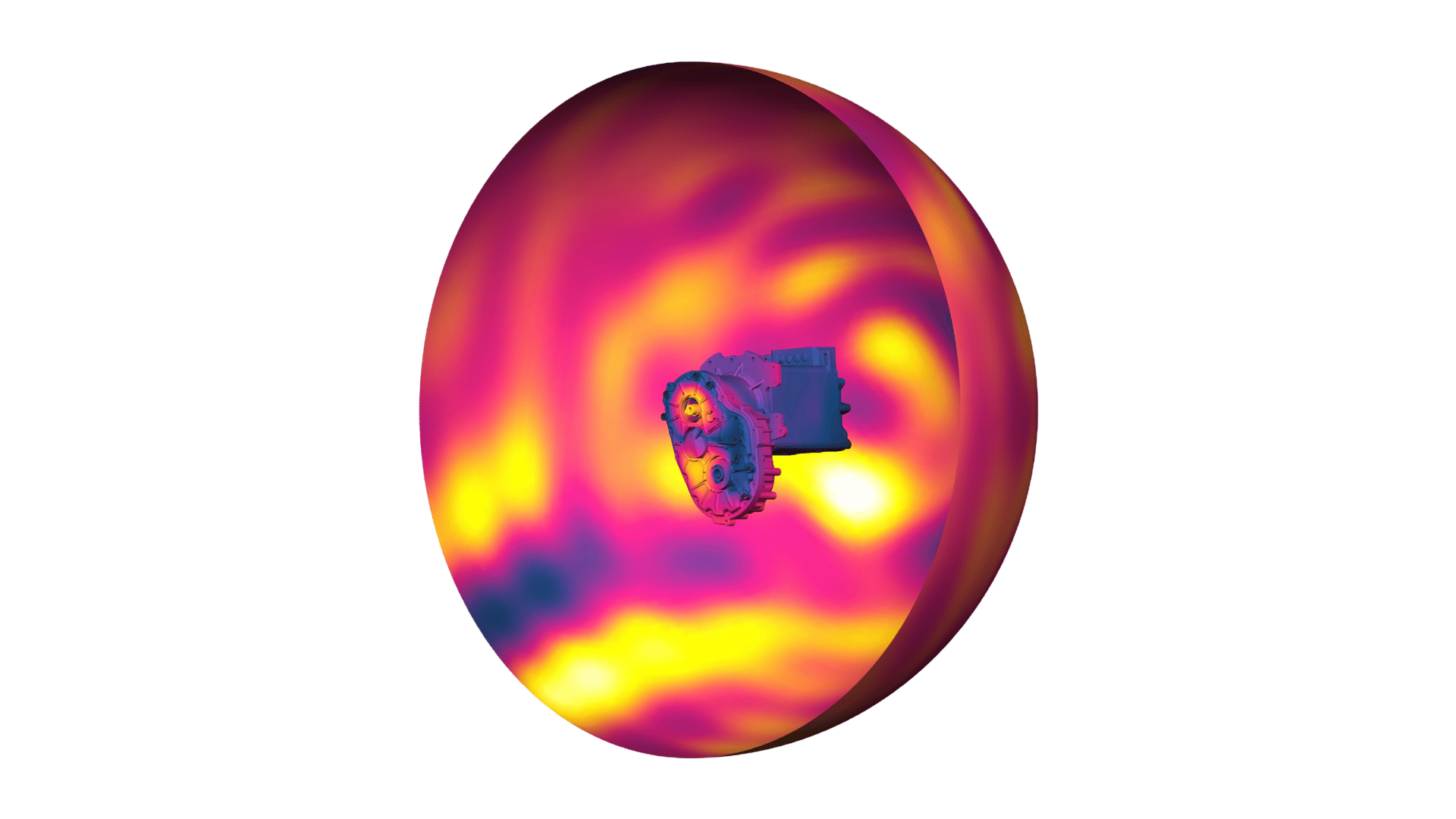
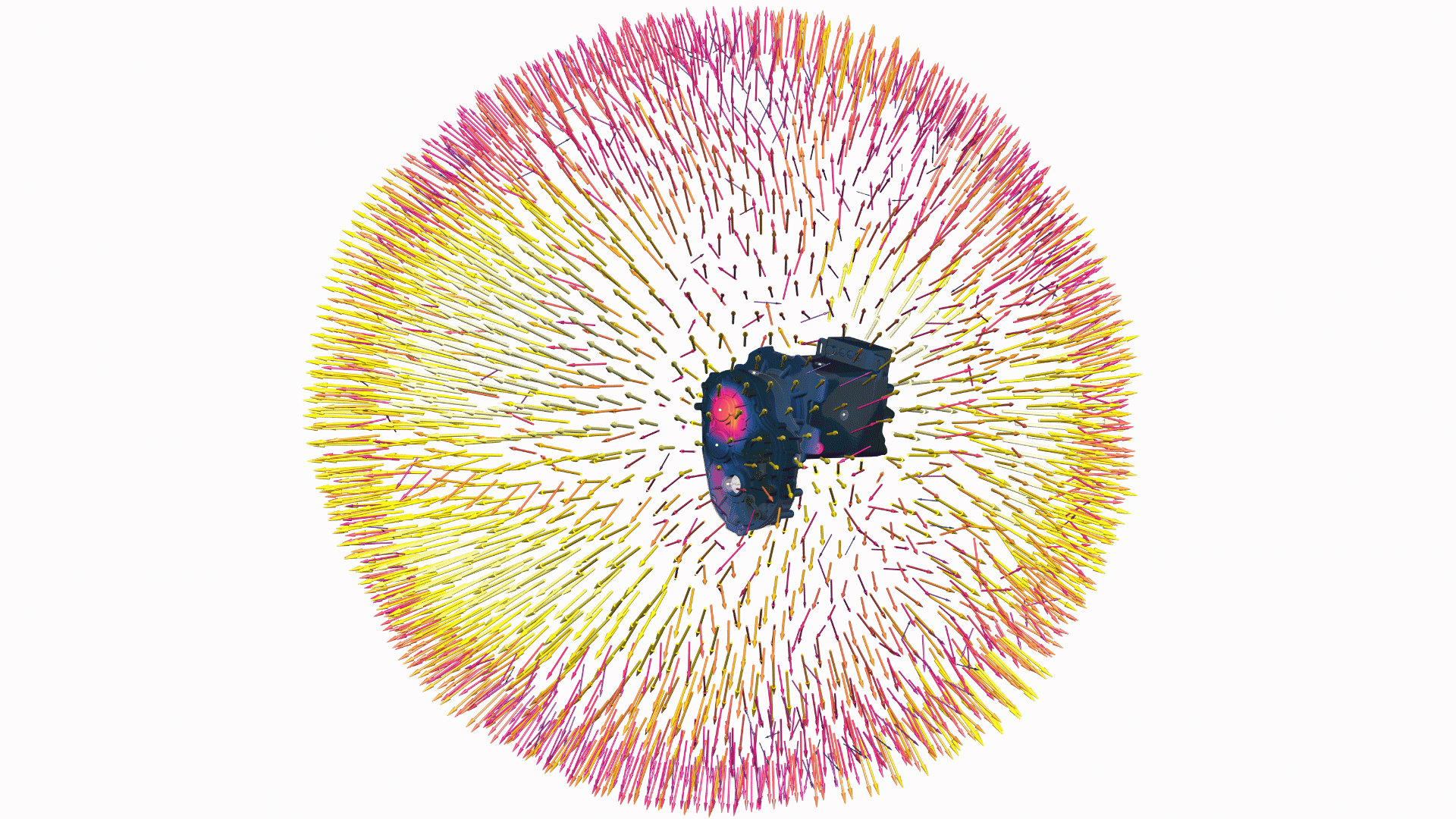
NVH simulation in MASTA 14.

Acoustics analysis in MASTA 14.

Acoustics in MASTA

Acoustic Simulation From The Comfort of MASTA

MASTA 14 introduces integrated acoustic analysis without leaving Harmonic Analysis mode in MASTA.

Setup is heavily automated and requires very little input from the user with no acoustic mesh required.

ISO 3745 microphone arrays are pre-configured and acoustic surfaces can be created with ease.

Acoustic analysis in MASTA eliminates the need to export heavy acoustic files and process them in separate acoustic software.

Now, full acoustic analysis can be performed in the same analysis space.
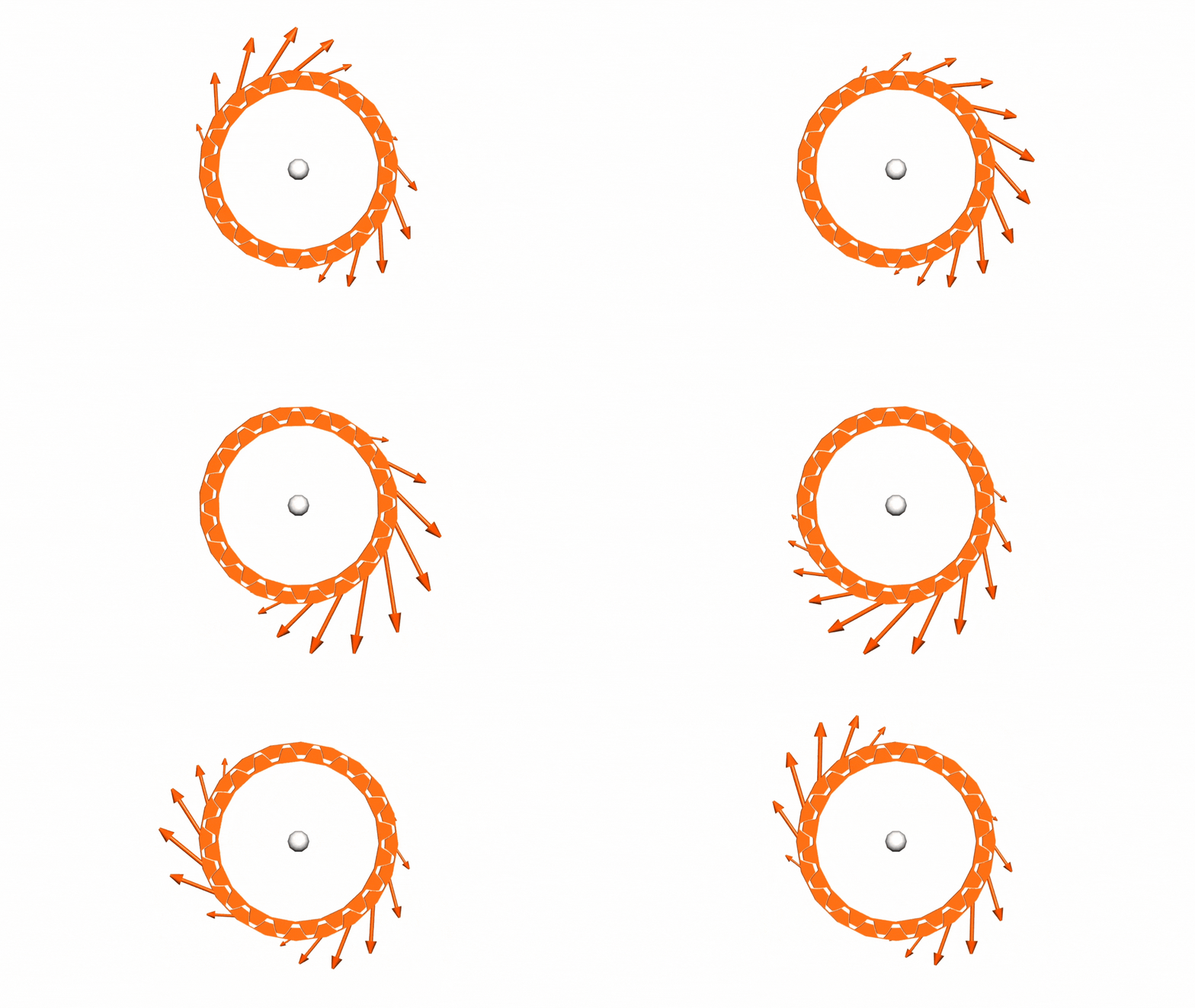
  • Fast and easy acoustic setup
  • Little setup required from user
  • Directly calculate acoustic results from NVH model
  • Pre-configured ISO 3745 microphone array

DRIVA Functionality To Predict Spline Rumble

Cutting Edge Transient NVH Effects, The Same MASTA Model

  • Flexible multibody dynamics is required to fully capture the complex behaviour of spline rumble.
  • In version 14 MASTA’s powerful multibody dynamics solver DRIVA, has been extended to include per tooth contact in splines along with pitch errors.
  • Complements existing MASTA quasi-static and frequency domain analyses that can be used for fast spline rumble prediction.
  • See our SAE Technical Paper for further information: Development of Rumble Noise Analysis Method for Electric Powertrain.
Spline rumble animation.

Linux (beta)

MASTA Analysis, But Lots More of It

  • Make the most of MASTA’s parallelisation by sending studies to HPCs.
  • MASTA 14 can be used with Linux HPC.
  • Use RUNNA to send analyses to Linux HPC and save results to be viewed in MASTA GUI.

Electric Machines Mechanical Analysis

The Next Step In Our Electric Machines Development

In electric machine rotor design, there is often a payoff between the thin bridges required for optimal electromagnetic performance and thicker bridges required for structural integrity. A mechanical analysis of the rotor is critical to assess this design payoff.
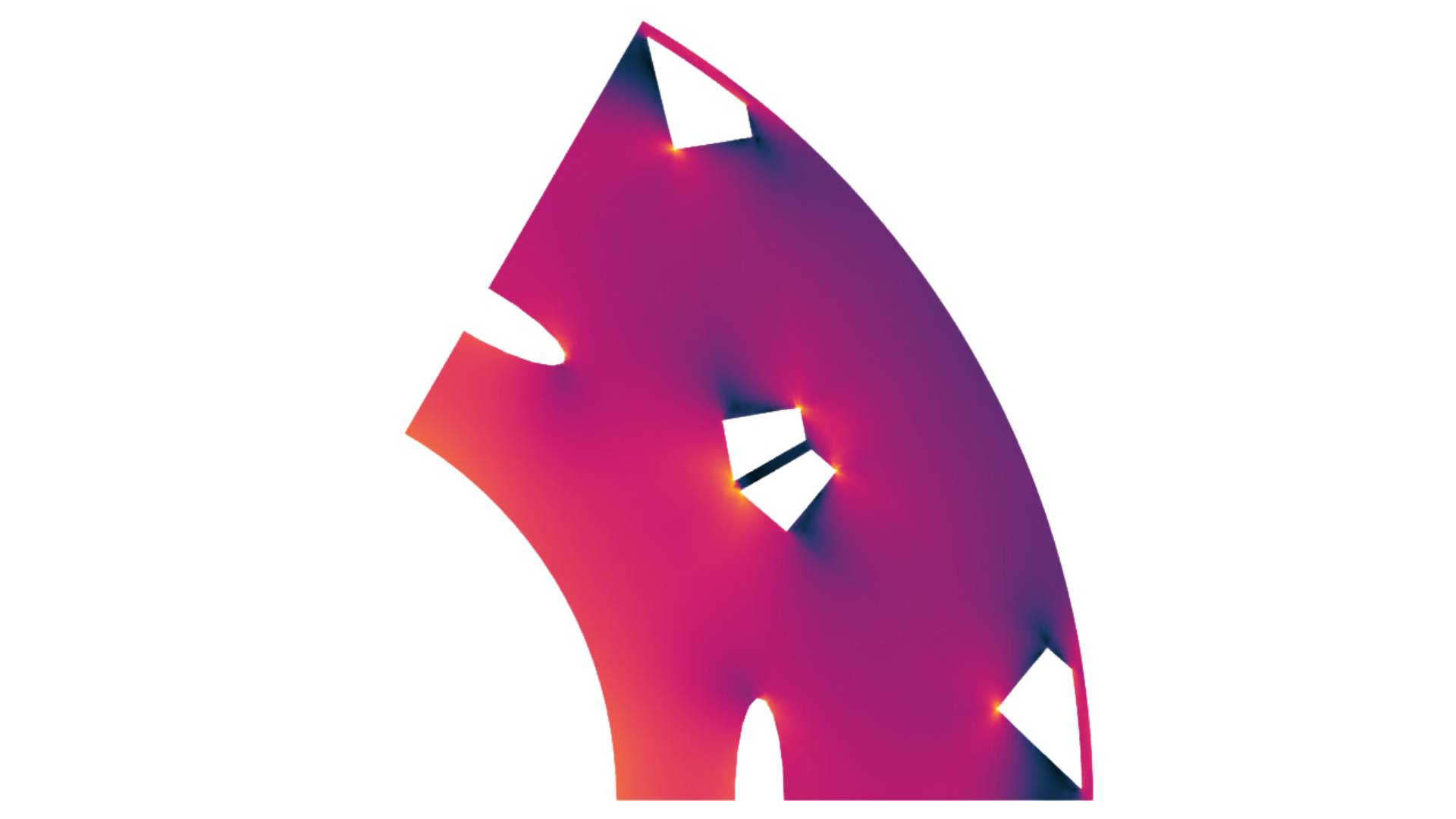
  • Model stresses in the rotor due to centrifugal forces.
  • Calculate Displacements, Plane Stresses and Von Mises Stresses.
  • Specify flux barrier edge radii.
MASTA electric motor functionality.
MASTA 14 logo in red and black.

MASTA 14 Additional Features

Small Details That Set MASTA Apart

  • Addition of ILJIN and NES bearing catalogues.
  • Support for floating RLM licences.
  • Out of core solver for LTCA meshing.
  • Efficiency calculation enhancements.
  • Minor diameter spline contacts.
  • Generate C# console app templates within the GUI.

Find Out More About MASTA

MASTA Core Features.

MASTA Core Features

MASTA is made up of a core module and over 75 additional modules.
MASTA Modules.

MASTA Modules

There are a range of modules available in MASTA that solve specific engineering challenges.
MASTA For EV

MASTA allows users to analyse and optimise the drivetrain for an electric machine.
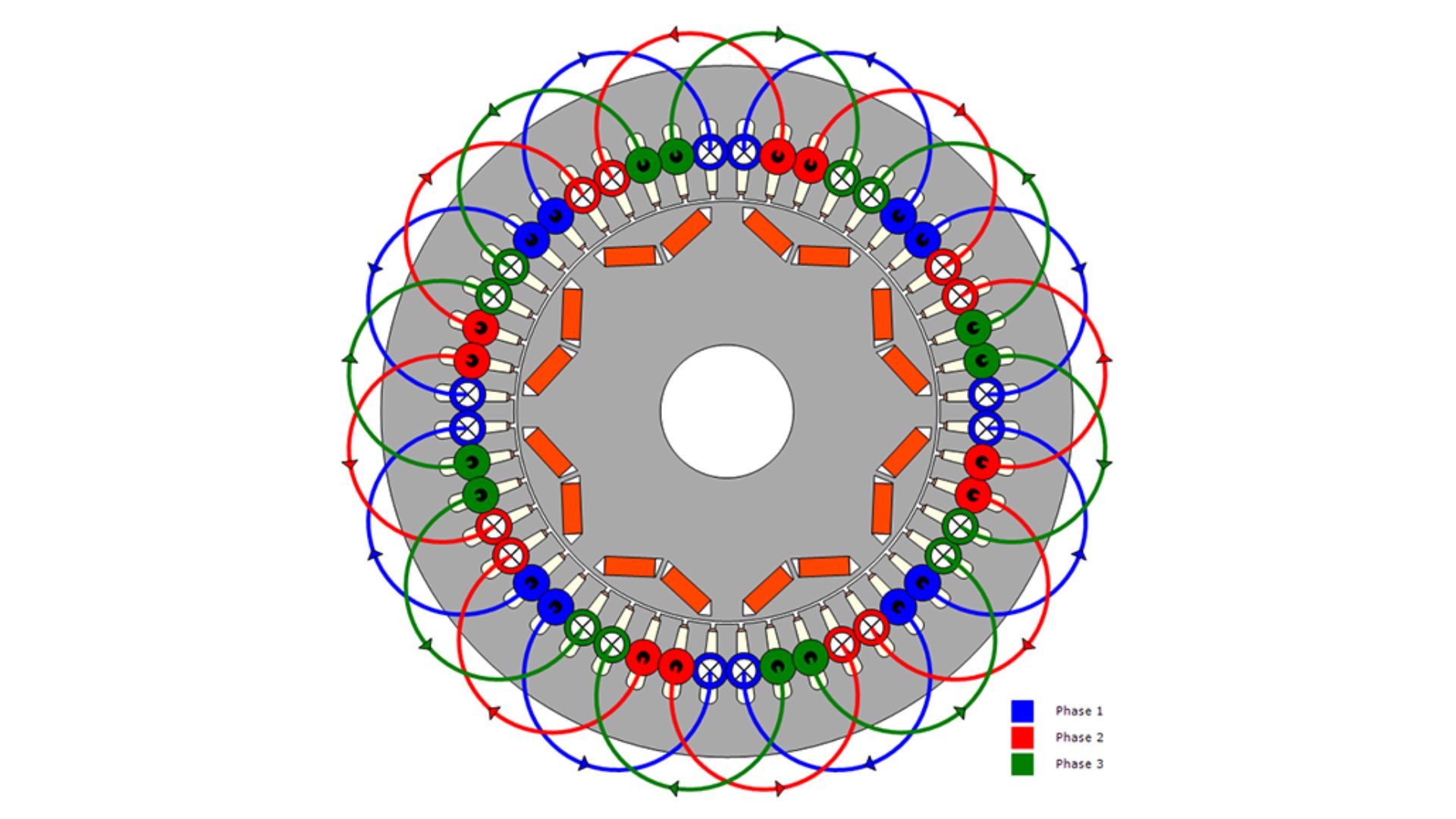
Motor windings.

Complete Electric Vehicle Powertrain Development

MASTA focuses on the system level integration of motor and gearbox.