DRIVA – CAE For Flexible Multibody Dynamic Simulation

Simulate dynamic behaviour of powertrains and the performance of components under variable loading.

DRIVA is a new and innovative solution for the full modelling and dynamic analysis of complete powertrains.

Based on a full six degrees of freedom flexible multibody dynamics approach, DRIVA is the first solution designed specifically for the analysis of highly time-dependent load conditions of geared mechanical systems.

  • Powerful multibody dynamic solver
  • Easily generate simulation models from designs and seamlessly update the design model without the need to reimport files
  • Rectify problems earlier in the design process
Overview

DRIVA enables a time-domain (transient) simulation of complete powertrains using flexible multibody dynamics.

  • No need for additional, third-party products or creation of intermediate models
  • Enables the full modelling and dynamic simulation of complete powertrains
  • Automatically generate models by selecting frequency ranges
  • Flexible multibody dynamics approach specialised for geared mechanical systems
  • Already use MASTA? Use your existing MASTA models in DRIVA
  • Uses the powerful rating methods already in our market leading MASTA software
  • Conduct ratings for gears, bearings and shafts against dynamic loading accurately – No other comparable solution on the market

DRIVA For Wind

‘DRIVA for Wind’ enables full modelling and dynamic simulation of complete wind turbine transmissions in MASTA

Perform analyses and obtain results required for GL2012 and GL2010 guidelines

Use full system models from blades to generator including a fully detailed gearbox model and complete flexibility of all components.

Identify and Qualify all Transmission Resonances

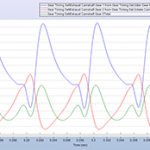
  • Generation and display of Campbell diagrams
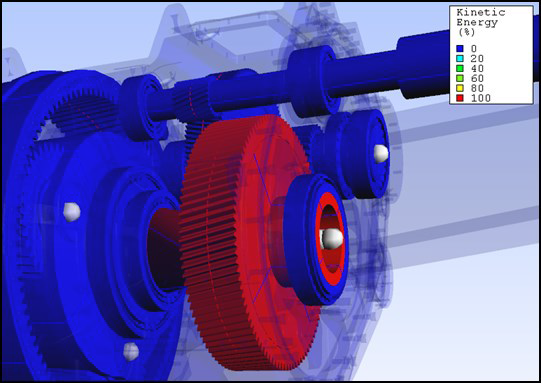
  • 3D display of mode shapes including visual indication of strain and kinetic energies
  • Investigate excitations due to gear meshes in the frequency domain using NVH analysis
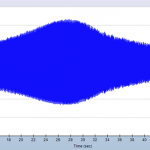
DRIVA Resonances.

DRIVA Load Increasing.

Load-Increasing Resonance Analysis

  • Perform time-stepping multibody dynamics (MBD) simulation of the whole powertrain to obtain dynamic response of components to any source of excitation
  • Obtain load increasing resonant forces from results

Investigation of Transient Dynamic Loading

Wind turbine certification bodies that adhere to DNV GL guidelines (formerly Germanischer Lloyd – GL) recommend that the simulation model of the full system be used to analyse transient dynamic loading caused by extreme load cases for:

  • Emergency Stops
  • Grid Loss
  • Gusts

Such transient dynamic loading can be fully investigated using DRIVA.

DRIVA Loading.

DRIVA For Engines

‘DRIVA for Engine’ enables modelling and dynamic simulation of transient torque changes within an engine and the consequent effects on component lifetime.

The loading of the powertrain is highly dynamic and traditional static rating methods are widely inaccurate.

DRIVA for Engine combines a dynamic system model with gear and bearing ratings for full component-loading time history.

Predict Dynamic Engine Torques

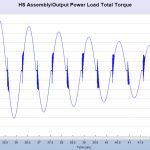
  • DRIVA predicts dynamic torques during engine operation taking into account the complex internal damping that occurs in the powertrain.
DRIVA Torque.
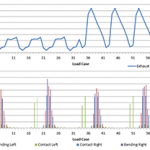
DRIVA component rating.

Component Rating

  • Generate inertia-adjusted load cases for accurate prediction of component damage / lives arising from complex dynamic component loading that occurs in the engine powertrain.

Other Applications

  • Transmission shifting dynamics and shift quality vs. control strategy
  • Compatibility between clutch, transmission, prop shaft and axle etc.; transmitting of torsional vibration
  • NVH: Gear rattle analysis
  • Engine gear trains for timing etc., dynamic crank loads. New engine arrangements, future integration of engine & gearbox
  • Dynamic loading of transmissions, e.g. off-road vehicle transmissions
  • Bespoke client analysis, etc.